
How Much Does It Cost to Start an Arcade?
How much does it cost to start an arcade? It’s the number one question people ask when the topic of starting an arcade comes up — and honestly, it’s a tricky one to answer. There are so many variables that the real answer is: it depends.
Before we talk dollars, let’s talk about why you’d want to start an arcade or add games to your existing business in the first place. I can sum it up in one word: FUN.
Games aren’t just fun for guests — they’re profitable for operators. A well-planned arcade can transform your space, shift the vibe, draw in new customers, encourage repeat visits, and make your business more memorable. Done right, arcade games can set you apart from the competition. How much does it cost to start an arcade? The real question isn’t “Can I afford to buy games?” — it’s “Can I afford not to?”
Arcades Today: Not Just Pac-Man
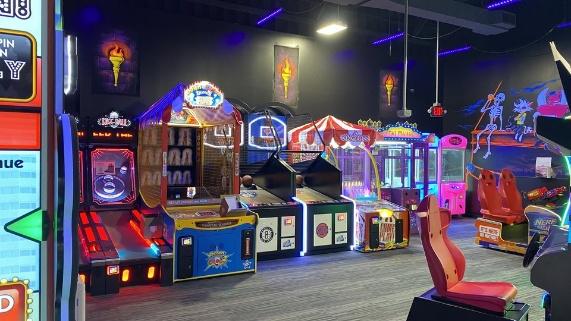
Forget the dark, wall-lined rows of 1980s cabinets where players stood alone chasing high scores. Today’s arcades are bright, social, and high-energy. They’re built around experiences:
Modern game rooms blend all of these into a space that’s inviting for families, friends, and date nights alike. Retro arcades still have their charm, but they tend to shine in bars or themed venues where the goal is more about atmosphere than raw revenue.

Do You Have the Space
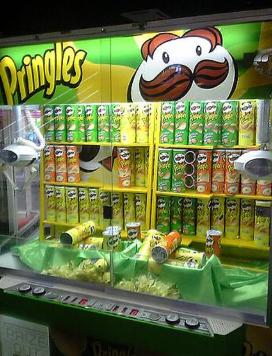
You don’t need a huge building to run a profitable arcade. Even 1,000 square feet can hold about 15 games — enough to turn unused space into a steady revenue stream. And you don’t have to start that big.
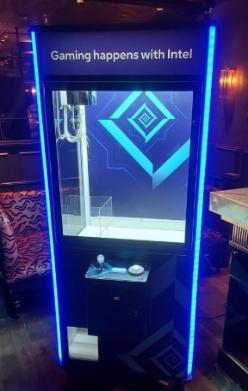
A single claw machine in a lobby or waiting area can earn well and add personality to your space.
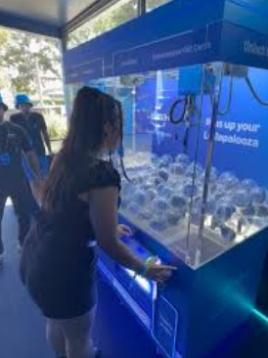
And claw machines aren’t just for kids — you can customize the machine AND the prizes to match your audience. Plush toys? Sure. But also branded merch, electronics, or locally sourced items.
The key is aligning the prize with the player.
The Cost Factors
The total investment depends on:
So, how much are we talking?
The more important number is ROI (Return on Investment).
Sometimes, higher-priced games earn better, last longer, and have higher resale value — all of which shorten ROI. Read my full post on how to earn more from your arcade games.
Trade-In Value
Good operators refresh their mix regularly. Swapping out the bottom 10–15% of earners each year keeps things fresh and maintains player interest. Like a car, games have a “sweet spot” for resale — waiting too long means you’ll get far less in trade value.
Route Operator Model: A Lower-Cost Way In
Not ready to buy a full arcade? You can:
Both approaches can be great for building capital and learning the business before committing to a full arcade.
Financing Options
You don’t have to pay up front for every game.
How Much Does It Cost to Start an Arcade? The Bottom Line
There’s no one-size-fits-all number. Whether you add a single game, open a full arcade, or start as a route operator, your costs will depend on the space, game mix, and strategy you choose. Work with a trusted distributor, track ROI, and invest in games that earn well and hold value.
Because when you get it right, the real cost of a profitable arcade is? Priceless.
Check out our post on Arcade Game Room Design for more tips.
Sign up for our newsletter to be the first to hear about new releases, product promotions, updates, and more!

With 15+ years in the amusement industry, Amber Lambert knows how to make fun profitable. She built her own family entertainment center from scratch, managed a busy corporate FEC, and has helped countless operators boost their game room revenue. Now a Regional Sales Representative for Betson Enterprises, Amber blends real-world experience with insider know-how. Fun fact: when she’s not talking game room strategy, you’ll find her chasing whitewater rapids or searching for the perfect latte. Connect with her on LinkedIn.
